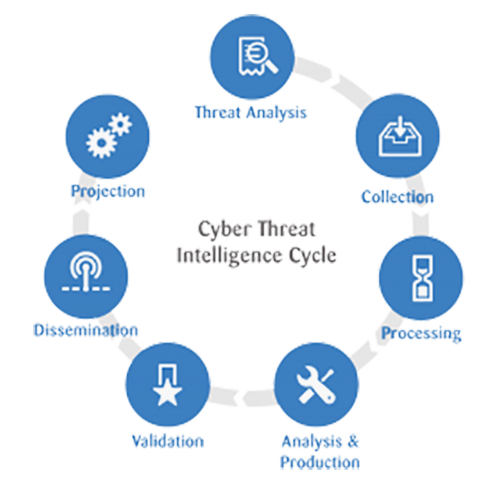
Threat intelligence, also known as cyber threat intelligence (CTI), is information gathered from a range of
sources
about current or potential attacks against an organization. The information is analyzed, refined and organized and
then
used to minimize and mitigate cybersecurity risks.
The main purpose of threat intelligence is to show organizations the various risks they face from external
threats, such
as zero-day threats and advanced persistent threats (APTs). Threat intelligence includes in-depth information and
context about specific threats, such as who is attacking, their capabilities and motivation, and the indicators of
compromise (IOCs). With this information, organizations can make informed decisions about how to defend against
the most
damaging attacks.
Why is threat intelligence important?
In a military, business or security context, intelligence is information that provides an organization with
decision
support and possibly a strategic advantage. Threat intelligence is a part of a bigger security intelligence
strategy. It
includes information related to protecting an organization from external and inside threats, as well as the
processes,
policies and tools used to gather and analyze that information.
Threat intelligence provides better insight into the threat landscape and threat actors, along with their latest
tactics, techniques and procedures. It enables organizations to be proactive in configuring its security controls
to
detect and prevent advanced attacks and zero-day threats. Many of these adjustments can be automated so security
stays
aligned with the latest intelligence in real time.